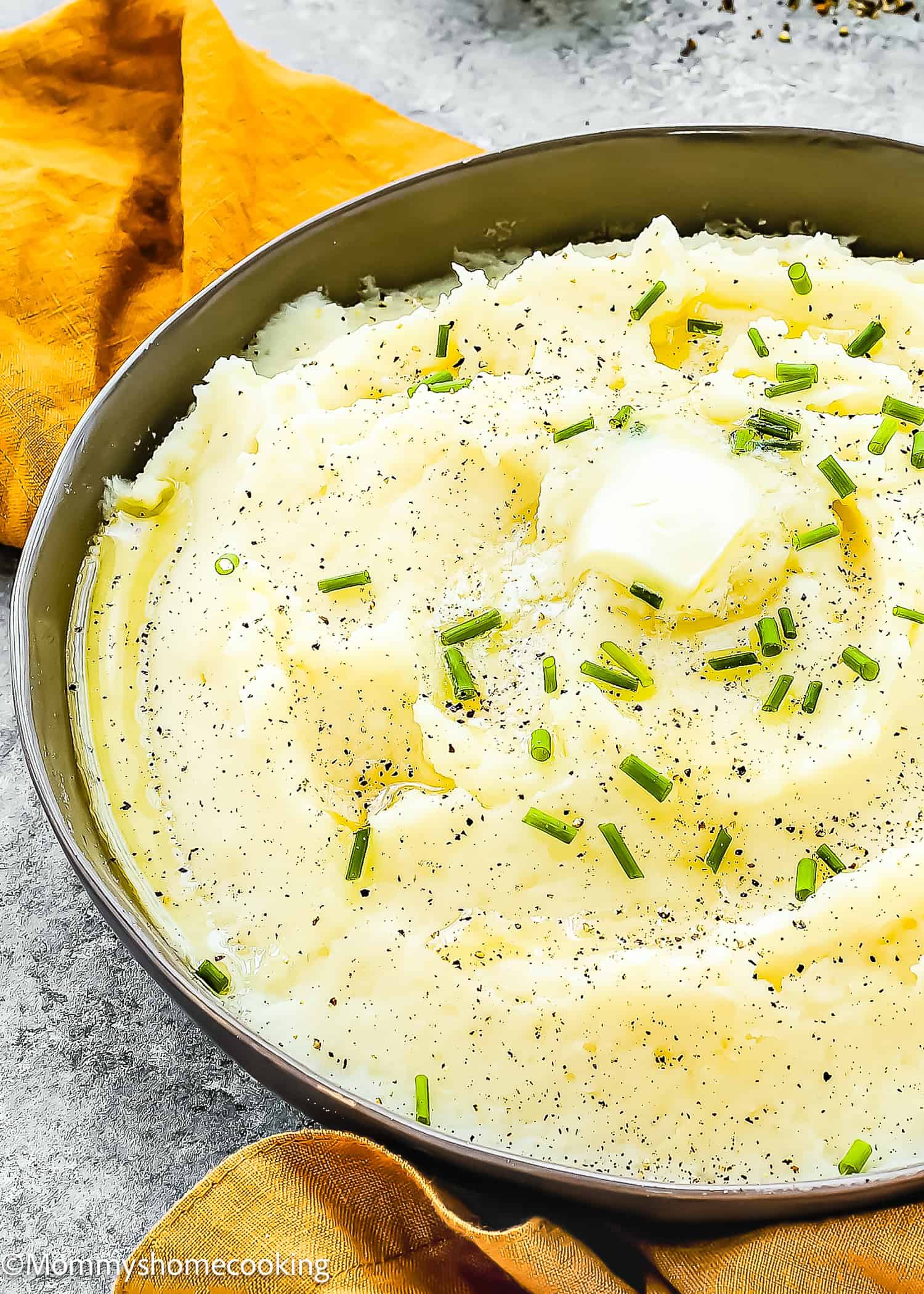
Unlock the Secrets to Perfectly Creamy Mashed Potatoes Every Time
There's nothing quite like a steaming bowl of perfectly creamy mashed potatoes. Warm, buttery, and utterly comforting, they're the quintessential side dish that graces tables from weeknight dinners to grand holiday feasts. Yet, for all their simple charm, mashed potatoes can be deceptively tricky. Have you ever found yourself with a gluey, pasty, or even lumpy mess instead of that fluffy, dreamy texture you crave? You're not alone! Many home cooks struggle with achieving that ideal consistency, but with a few expert tips, making truly easy mashed potatoes is entirely within reach. This guide will walk you through the essential steps and common pitfalls, ensuring your next batch is a triumph of smooth, rich flavor.
The Foundation: Choosing Your Spuds Wisely
The journey to perfect mashed potatoes begins before you even turn on the stove – it starts with selecting the right kind of potato. This crucial first step often determines the final texture more than any other.
- Russet Potatoes: Often called baking potatoes, Russets are high in starch and low in moisture. This composition makes them ideal for light, fluffy mashed potatoes that absorb butter and cream beautifully without becoming heavy. Their starchy cells break down easily, leading to a smooth texture with minimal effort.
- Yukon Gold Potatoes: If you prefer a richer, naturally creamier mashed potato with a slightly denser feel and a beautiful golden hue, Yukon Golds are your best bet. They have a medium starch content and a buttery flavor that shines through. They don't require as much added fat to achieve a luxurious texture.
While other potato varieties exist, waxy potatoes (like red or new potatoes) are generally best avoided for mashing. Their low starch content means they tend to stay firm and can become gluey or pasty when mashed extensively, as their cell walls are less prone to breaking down into a fluffy consistency.
Mastering the Boil: From Cold Water to Tender Perfection
Once you've chosen your potatoes, the cooking method is the next critical stage. It's not just about cooking them until soft; it's about cooking them *correctly* to prevent starch from turning into glue.
- Prepare Your Potatoes: Start by peeling your selected potatoes and cutting them into roughly equal-sized quarters or even eighths, depending on their size. Uniform pieces ensure even cooking, meaning some pieces won't be overcooked and mushy while others are still hard.
- Start with Cold, Salted Water: Place the cut potatoes in a large pot and cover them with cold water by about an inch. This is paramount! Adding potatoes to cold water allows them to heat up gradually with the water, promoting even cooking from the outside in. If you start with hot water, the outside cooks much faster than the inside, leading to unevenly cooked, starchy potatoes. Now, season the water generously with salt – a good tablespoon for a typical batch. Salting the water early infuses the potatoes with flavor from the inside out, rather than relying solely on surface seasoning later.
- Gentle Boil, Then Simmer: Bring the water to a boil over high heat. Once boiling vigorously, reduce the heat to a medium-low simmer. The key here is to avoid a rolling, aggressive boil for the entire cooking time. High temperatures and agitation during a hard boil can cause potato starches to gelatinize excessively, leading directly to that dreaded gluey texture. A gentle simmer is much kinder to the potatoes, allowing them to soften without breaking down too rapidly or releasing too much starch.
- Check for Doneness: Boil the potatoes for 15 to 20 minutes, or until they are incredibly tender. You should be able to easily pierce a potato piece with a paring knife or fork with almost no resistance. Don't undercook, or you'll have lumpy potatoes. Don't overcook to the point of disintegration, or they'll be waterlogged.
- Drain Thoroughly: Once tender, immediately remove the pot from the heat and drain the potatoes thoroughly. You can even return them to the empty hot pot over very low heat for a minute or two, gently shaking, to allow any remaining surface moisture to evaporate. Excess water is the enemy of creamy mashed potatoes and can dilute their flavor and texture.
The Art of the Mash: Achieving Creaminess, Not Gummyness
Now for the main event! This stage is where your potatoes transform into a rich, velvety side dish. The biggest secret to truly easy mashed potatoes lies in knowing when to stop.
Tools for the Job: For the absolute best results, a simple potato masher is your best friend. A potato ricer is another excellent option for achieving an incredibly smooth, lump-free texture. Avoid food processors or blenders at all costs! The high-speed blades of these appliances rupture the potato's starch cells too aggressively, releasing excessive starch and almost guaranteeing a gluey, pasty consistency.
- Initial Mash: Return the well-drained potatoes to the hot pot. Begin mashing by hand with your potato masher. Break down the larger pieces until they are roughly half-mashed.
- Introduce Fats and Liquids: This is the ideal moment to incorporate your flavor enhancers. For a classic creamy potato, you'll want butter and milk. Ensure your butter is softened or melted and your milk (or cream) is warmed. Cold dairy can cool down your potatoes, making them harder to mash smoothly and affecting the overall texture.
- Butter: Start with a generous amount of good quality butter. It adds richness, flavor, and helps lubricate the potatoes, preventing stickiness.
- Milk/Cream: Add warm whole milk, half-and-half, or heavy cream. For extra indulgence, consider sour cream or cream cheese, which add tang and an even richer mouthfeel. Non-dairy options like almond or oat milk can also work, though they may alter the flavor profile slightly.
- Continue Mashing to Desired Consistency: Gently continue mashing until the potatoes reach your preferred texture. Stop as soon as they are smooth and creamy, with perhaps a few tiny lumps if you like a more rustic feel. The moment they reach your desired consistency, stop mashing. Overmixing is the number one cause of gluey mashed potatoes, as it continues to break down starch cells unnecessarily.
- Final Seasoning and Garnish: Taste your mashed potatoes and adjust seasoning as needed with additional salt and freshly ground black pepper. A pinch of dried parsley stirred in adds color and a subtle herbaceous note. You can also sprinkle extra fresh parsley on top for presentation.
Common Pitfalls and How to Sidestep Them
Even with the best intentions, things can go awry. Here’s a quick recap of what to avoid:
- Overmixing: This is the cardinal sin. As discussed, too much mashing, especially with mechanical tools, releases excess starch, leading to a gluey texture. Mash by hand and stop when creamy.
- Wrong Potato Type: Using waxy potatoes will result in a pasty texture, no matter how carefully you mash them. Stick to Russets or Yukon Golds.
- Not Salting the Water: Potatoes absorb flavor as they cook. If the water isn't salted, your potatoes will taste bland even after adding butter and cream.
- Insufficient Draining: Excess water leads to diluted flavor and a wet, soupy consistency. Ensure potatoes are thoroughly drained and slightly "dried" in the hot pot.
- Cold Dairy/Fats: Adding cold butter or milk can cool down the potatoes too rapidly, making them harder to incorporate smoothly and potentially impacting the final texture. Warm these ingredients slightly first.
Beyond the Basics: Make-Ahead & Reheating Tips
One of the best things about easy mashed potatoes is their versatility, including their ability to be prepared ahead of time. This makes them a lifesaver for busy weeknights or large gatherings.
For detailed instructions on storing and reheating, be sure to check out our comprehensive guide: Mashed Potatoes: Make Ahead, Store, & Reheat Like a Pro.
Making Ahead
You can certainly make mashed potatoes a day in advance. Let them cool completely, then transfer them to an airtight container and store them in the refrigerator for up to 3-4 days. When reheating, they will likely need a splash of extra milk or cream and a knob of butter to restore their luscious, creamy texture.
Freezing
Mashed potatoes freeze surprisingly well! Once cooled completely, transfer them to a freezer-safe bag or container, removing as much air as possible. Label and date, then freeze for up to two months. For best results upon reheating, add a little extra milk and butter to bring back that perfect consistency.
Reheating Methods
No matter your preferred method, the key to reheating is gentle warmth and often, a little extra moisture and fat:
- Stovetop: Place the potatoes into a pot with a splash of milk and some extra butter. Warm over low heat, stirring often, until they are heated through and creamy again. This is often the best method for maintaining texture.
- Microwave: For single servings, reheat in 30-second intervals, stirring between each, until heated through. Add a tiny splash of milk or a pat of butter if they seem dry.
- Oven: Spread the mashed potatoes into a baking dish and cover tightly with foil. Bake at 350°F (175°C) for about 20 minutes, or until hot and steamy. This method works well for larger batches.
Conclusion
Making truly perfect, creamy, and non-gummy mashed potatoes isn't a dark art; it's a science combined with a few thoughtful techniques. By choosing the right potatoes, cooking them gently in salted cold water, and mashing them by hand with warm dairy and fats, you can easily achieve that coveted fluffy yet rich texture. No more gummy mishaps, just pure, buttery bliss. Armed with these insights, you're ready to create the ultimate side dish that will impress every time. For a tried-and-true recipe to put these tips into practice, check out our guide to The Best Easy Mashed Potatoes: Creamy & Simple Recipe. Happy mashing!
