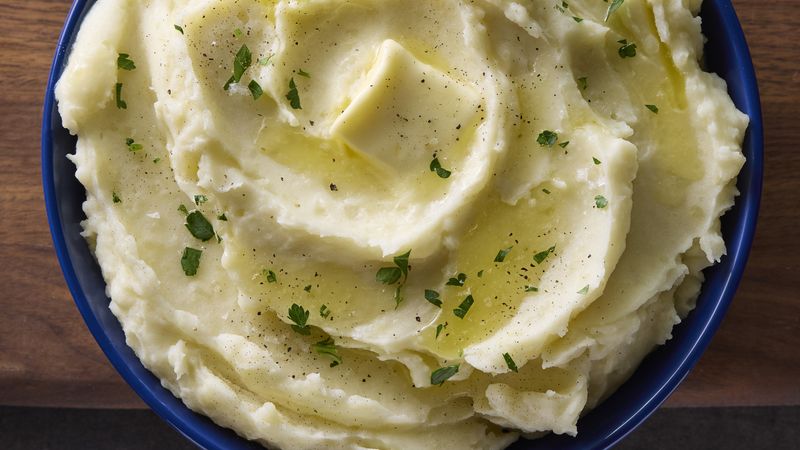
The Best Easy Mashed Potatoes: Your Guide to Creamy, Simple Perfection
There’s something undeniably comforting about a bowl of warm, creamy mashed potatoes. It's a classic side dish that evokes feelings of home, warmth, and delicious simplicity. While often associated with elaborate holiday feasts, the truth is that the best easy mashed potatoes are remarkably quick to make with just a handful of staple ingredients you likely already have on hand. Forget complicated techniques or specialized equipment; we're talking about a no-fuss recipe that delivers consistently creamy, buttery, and utterly delightful results every single time.
Whether you're looking for the perfect accompaniment to a weeknight roasted chicken, a hearty beef stew, festive turkey, or savory ham, these homemade mashed potatoes are your ultimate go-to. They strike that coveted balance between fluffy texture and rich, melt-in-your-mouth creaminess, making them far superior to any store-bought alternative. Say goodbye to dense, lumpy, or even worse – gluey potatoes – and prepare to unlock the secrets to a side dish that will earn you rave reviews.
Secrets to Unforgettable Creamy & Simple Mashed Potatoes
Achieving the perfect consistency in your mashed potatoes starts long before the mashing begins. It’s a combination of smart potato selection, precise cooking, and careful handling. Here’s what you need to know:
Choosing the Right Potatoes
The type of potato you choose significantly impacts the final texture of your mashed potatoes. For optimal results, you’ll want a starchy or all-purpose potato:
- Russet Potatoes: Often called baking potatoes, Russets are high in starch and low in moisture. This makes them ideal for creating light, fluffy, and absorbent mashed potatoes that readily soak up butter and milk. They break down easily, ensuring a smooth texture without much effort.
- Yukon Gold Potatoes: These all-purpose potatoes offer a slightly waxier texture than Russets but still mash beautifully. They are celebrated for their naturally buttery flavor and golden hue, contributing to a richer, creamier mash without needing as much added fat.
While you can use other types, Russets and Yukon Golds are consistently the top performers for that ideal fluffy-yet-creamy balance.
The Art of Boiling Potatoes for Mashing
The cooking method is crucial for preventing gummy mashed potatoes. Follow these principles for perfectly tender spuds:
- Start with Cold Water: Always place your peeled and cut potatoes into a pot of cold water. Starting them in hot water can cause the outside to cook faster than the inside, leading to unevenly cooked, starchy potatoes. Cold water allows them to heat up and cook evenly from core to surface.
- Season Generously: Don't underestimate the power of salting the cooking water! Adding at least a tablespoon of salt to the water (or even more, depending on pot size) infuses the potatoes with flavor from the inside out as they cook. This foundational seasoning is key to a delicious end result.
- Boil, Then Simmer: Bring the water to a boil over high heat, then immediately reduce the heat to medium-high or medium to maintain a gentle simmer. A vigorous, rolling boil can cause the starches in the potatoes to gelatinize too quickly, leading to a gluey, undesirable texture. A gentle simmer ensures the potatoes cook through without breaking down excessively.
- Cook Until Fork-Tender: Boil the potatoes for 15 to 20 minutes, or until they are easily pierced with a fork or paring knife. They should be tender all the way through, but not falling apart. Overcooked potatoes can become waterlogged and mushy.
Your Go-To Recipe for Easy Mashed Potatoes
Now that you know the foundational secrets, let's get down to the simple, step-by-step recipe for the best easy mashed potatoes:
Ingredients:
- 2 pounds Russet or Yukon Gold potatoes, peeled and quartered
- 1 tablespoon salt, plus more to taste
- 1/2 cup unsalted butter (1 stick), cut into pieces, plus extra for serving
- 1/2 cup whole milk (or half-and-half, heavy cream), warmed
- 1/2 teaspoon black pepper, or to taste
- 1-2 tablespoons fresh or dried parsley, chopped (optional, for garnish)
Instructions:
- Prepare the Potatoes: Peel and cut the potatoes into roughly equal-sized quarters. This ensures even cooking. Place the cut potatoes into a large pot.
- Cover with Cold, Salted Water: Fill the pot with cold water until the potatoes are covered by at least an inch. Add 1 tablespoon of salt to the water.
- Boil and Simmer: Bring the water to a boil over high heat. Once boiling, reduce the heat to medium-high and simmer the potatoes for 15 to 20 minutes, or until they are fork-tender.
- Drain Thoroughly: Carefully remove the pot from the heat and drain the potatoes completely. It's crucial to remove as much water as possible. Some prefer to let them steam dry for a minute or two in the hot, empty pot to ensure excess moisture evaporates.
- First Mash: Return the drained potatoes to the dry pot. Using a potato masher, begin mashing the potatoes. Mash them until they are about halfway broken down, still with some lumps.
- Add Dairy & Seasoning: Add the cut pieces of butter, the warmed milk, and the remaining salt and pepper to the half-mashed potatoes. Warming the milk slightly prevents the potatoes from cooling down too much.
- Final Mash & Mix: Continue mashing until the potatoes reach your desired consistency – smooth and creamy, or with a few rustic lumps, as you prefer. Avoid overmixing! Overworking the potatoes can activate too much starch and lead to a gummy texture. Stop when just combined and creamy.
- Garnish and Serve: Stir in the dried parsley (if using). Taste and adjust seasoning as needed. Serve immediately, optionally with an extra pat of butter and a sprinkle of fresh parsley on top.
Tips for Perfection & Customization
Preventing Gluey Mashed Potatoes
The number one culprit for gummy potatoes is overmixing. When potato starches are broken down too much, especially by electric mixers or food processors, they release excessive starch, leading to a sticky, glue-like consistency. For the best texture, always:
- Mash by hand with a potato masher.
- Stop mashing as soon as your desired consistency is reached.
- Add fats and liquids (butter, milk) once potatoes are partially mashed, not at the very beginning.
Elevating the Flavor: Customization Options
While classic easy mashed potatoes are perfect as is, they're also a fantastic canvas for flavor experimentation:
- Richer Dairy: For an extra decadent dish, swap whole milk for half-and-half or heavy cream. For a subtle tang and even more creaminess, stir in a dollop of sour cream or a block of softened cream cheese with the butter and milk.
- Non-Dairy Alternatives: For dietary reasons, you can absolutely use non-dairy milks like almond milk or oat milk. Just ensure they are unsweetened. Vegan butter alternatives also work beautifully.
- Aromatic Additions: Sauté minced garlic or roasted garlic cloves until fragrant, then mash them directly into the potatoes. Fresh chives, dill, or rosemary can also add wonderful herbaceous notes.
- Cheesy Goodness: Stir in some shredded cheddar, Parmesan, or Gruyère cheese for a savory twist.
- Crispy Toppings: A sprinkle of crispy fried onions, bacon bits, or toasted breadcrumbs just before serving adds delightful texture.
Make Ahead, Store, and Reheat Like a Pro
One of the beauties of easy mashed potatoes is their make-ahead potential, making them a lifesaver for busy weeknights or holiday meal prep. You can absolutely prepare them a day or even two in advance, allowing flavors to meld beautifully. For comprehensive guidance on extending the life of your delicious side, check out our detailed guide: Mashed Potatoes: Make Ahead, Store, & Reheat Like a Pro.
Refrigerator Storage:
Allow the mashed potatoes to cool completely, then transfer them to an airtight container. They will keep beautifully in the refrigerator for up to 3-4 days.
Freezer Storage:
For longer storage, mashed potatoes freeze remarkably well. Once completely cool, transfer them to a freezer-safe bag or container, removing as much air as possible. Label and date the container. They can be frozen for up to 2 months. For best results upon reheating, plan to add a little extra milk and butter to restore their creamy texture.
Reheating Methods:
Regardless of how you store them, the key to successful reheating is gentle warmth and adding a little extra moisture and fat to revive their creamy consistency.
- Stovetop: This is often the preferred method for larger batches. Place the potatoes in a pot over low heat, adding a splash of milk and an extra pat of butter. Stir frequently until heated through and creamy again.
- Microwave: Ideal for single servings. Reheat in 30-second intervals, stirring well between each, until hot and creamy. Add a splash of milk if needed.
- Oven: For larger amounts, spread the mashed potatoes into a baking dish, cover with foil, and bake at 350°F (175°C) for 20-30 minutes, or until heated through. Uncover for the last few minutes if you like a slightly crusty top.
Conclusion
These easy mashed potatoes are more than just a side dish; they're a testament to the power of simple ingredients and straightforward techniques. With our comprehensive guide, you now have all the insights to create perfectly creamy, buttery, and flavorful mashed potatoes every single time. From selecting the right spuds to mastering the boil and avoiding common pitfalls, you’re equipped to turn ordinary potatoes into an extraordinary culinary delight. So go ahead, whip up a batch, and savor the comforting goodness of truly homemade mashed potatoes.
