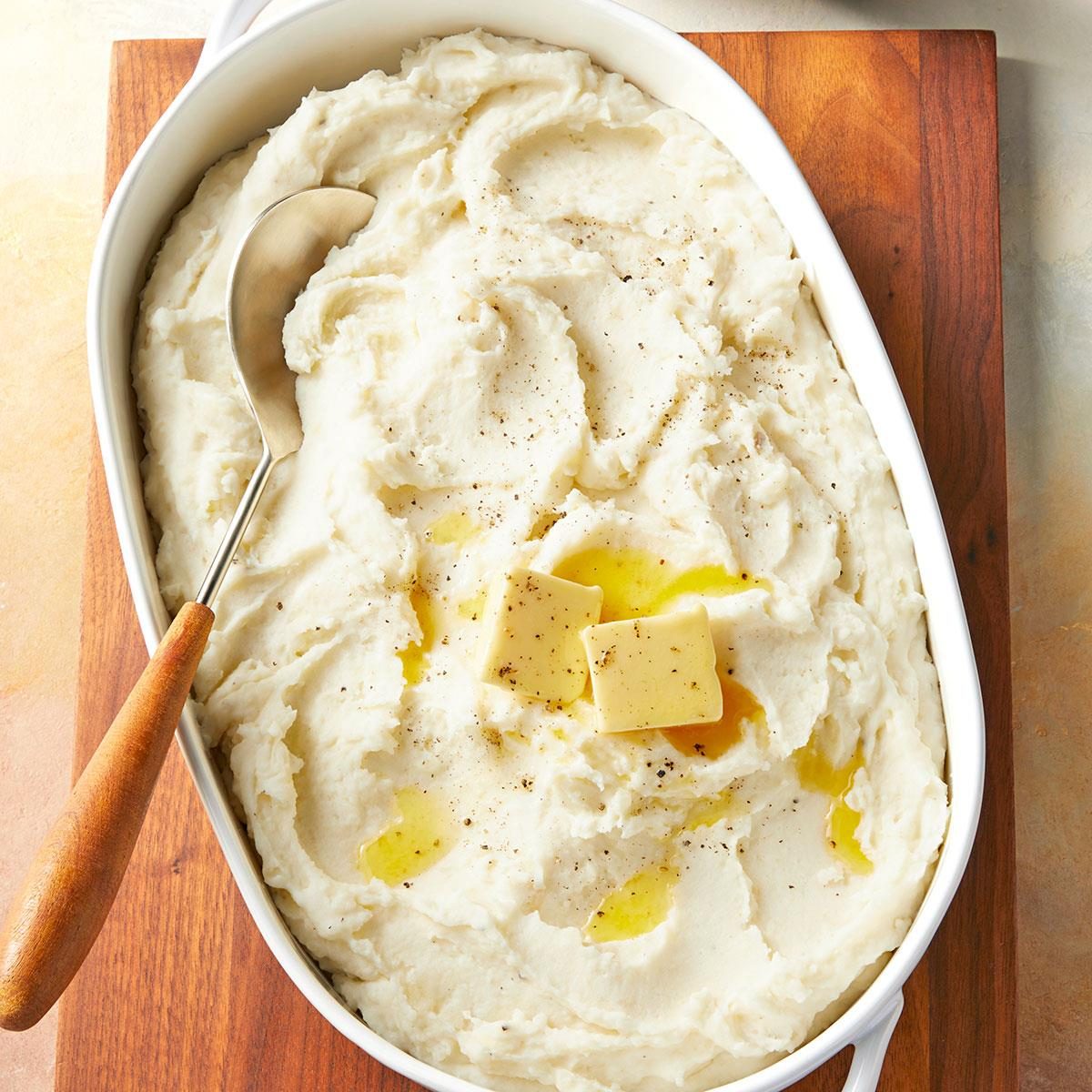
Mashed Potatoes: Make Ahead, Store, & Reheat Like a Pro
Mashed potatoes stand as a true culinary classic – a warm, creamy, and undeniably comforting side dish that perfectly complements everything from a simple weeknight roast chicken to a grand holiday feast. While their inherent deliciousness is unquestionable, the thought of whipping up a fresh batch for every meal can sometimes feel daunting. What if we told you that mastering the art of make-ahead, storing, and reheating these humble spuds can transform your meal prep and elevate your dining experience? Get ready to unlock the secrets to consistently perfect,
easy mashed potatoes that are as stress-free as they are scrumptious.
Crafting the Perfect Easy Mashed Potatoes: A Step-by-Step Guide
Achieving that ideal balance of fluffy texture and rich, buttery creaminess starts with the foundational preparation. Forget dense, lumpy, or worse – gummy potatoes. With a few pro tips, your homemade mashed potatoes will be the star of any plate.
Selecting Your Spuds Wisely
The journey to perfect mashed potatoes begins with the right potato variety. For a lighter, airier mash,
Russet potatoes are your go-to. Their high starch content breaks down beautifully, creating a wonderfully fluffy texture. If you prefer a richer, creamier, almost buttery consistency, then
Yukon Golds are an excellent choice. Their naturally buttery flavor and lower starch content contribute to a denser, more luxurious mash. Avoid waxy potatoes like red bliss or new potatoes, as they tend to become gluey when mashed.
The Art of Cooking Potatoes
The cooking method is crucial for even tenderness and flavor infusion.
- Start Cold, Season Generously: Always begin by placing your peeled and quartered potatoes into a large pot and covering them with cold water. This ensures the potatoes cook evenly from the outside in. Add a generous tablespoon of salt to the water – this seasons the potatoes from within as they cook, building a foundational layer of flavor.
- Gentle Boil, Not a Rolling One: Bring the water to a boil over high heat, then immediately reduce it to a medium-high simmer. Avoid a vigorous, rolling boil, as this can cause the potato starches to gelatinize too quickly, leading to that undesirable gluey texture. Simmer for 15 to 20 minutes, or until the potatoes are fork-tender. A paring knife should slide into a potato with minimal resistance.
- Drain and Dry: Once tender, remove the pot from the heat and drain the potatoes thoroughly. It’s vital to let them sit in the hot, empty pot for a minute or two to allow any residual moisture to steam off. This crucial step prevents watery mashed potatoes and ensures a concentrated flavor and better texture.
Achieving Dreamy Creaminess
With your perfectly cooked potatoes ready, it's time to transform them into a velvety delight.
- Mash by Hand for Best Results: Return the drained potatoes to the pot. Using a good old-fashioned potato masher is key here; electric mixers can easily overwork the potatoes, resulting in a gluey mess. Start mashing the potatoes until they are about half-mashed.
- Incorporate Richness: At this stage, add your cold butter (for better texture control), warm milk, and an initial pinch of salt and pepper. Cold butter helps maintain a desirable texture, and warm milk integrates more smoothly without cooling down your potatoes too much. Continue mashing until the potatoes reach your preferred consistency. For an even richer flavor profile, consider using half-and-half, heavy cream, or even a dollop of sour cream or cream cheese. Non-dairy alternatives like almond or oat milk also work beautifully.
- Final Touches: Once mashed to perfection, stir in fresh or dried herbs like parsley for a burst of color and flavor. Always taste and adjust seasonings, adding more salt, pepper, or butter as needed. Remember, these are your easy mashed potatoes, so customize them to your heart's content!
Mastering the Make-Ahead Marvel: Prep for Success
One of the greatest advantages of mashed potatoes is their make-ahead potential. Preparing them in advance is a game-changer, especially when hosting holiday gatherings or simply aiming to streamline your weekly meal prep.
Why Make Ahead?
Making your mashed potatoes ahead of time offers unparalleled convenience. It frees up valuable stove-top space and time on the day of your event, reducing stress and allowing you to focus on other dishes or enjoy time with your guests. Imagine the relief of having a key side dish ready to go, needing only a gentle reheat before serving! This strategy ensures your
easy mashed potatoes are always a hit, even on the busiest days.
Tips for Optimal Make-Ahead Quality
When making mashed potatoes specifically for reheating, there are a few considerations to ensure they remain as delicious as freshly made.
- Slightly Looser Consistency: When initially mashing, aim for a slightly looser consistency than you might typically prefer. The potatoes will naturally thicken as they cool and store. Adding a touch more milk or cream during the initial preparation can help maintain moisture.
- Add Extra Moisture for Reheating: It's crucial to anticipate adding a splash of milk or a knob of butter when reheating to restore their creamy texture and prevent them from drying out. This small step makes all the difference in achieving that "just made" feel.
- Rapid Cooling: Once mashed, allow them to cool quickly to room temperature before storing. Spreading them out in a shallow dish can expedite this process.
For more insights into avoiding common pitfalls and achieving consistently perfect results, you might find
Unlock Perfect Creamy Mashed Potatoes: Avoid Gummy Mistakes particularly helpful.
Storing Your Easy Mashed Potatoes: Fridge & Freezer Wisdom
Proper storage is essential for preserving the flavor and texture of your make-ahead
easy mashed potatoes.
Refrigeration Rules
Once your mashed potatoes have cooled completely to room temperature, transfer them to an airtight container. Press a piece of plastic wrap directly onto the surface of the potatoes before sealing the container with a lid. This prevents a skin from forming and keeps them from drying out. Store in the refrigerator for up to 3-4 days.
Freezing for Future Feasts
For longer storage, freezing is an excellent option.
- Cool Completely: Ensure the mashed potatoes are entirely cool before freezing. Warm potatoes can create condensation, leading to ice crystals and freezer burn.
- Packaging is Key: Transfer the cooled mashed potatoes to freezer-safe bags or containers. If using bags, flatten them to create an even layer, which helps them freeze and thaw more quickly. For containers, again, press plastic wrap directly onto the surface before sealing.
- Label and Date: Always label your container with the contents and the date. This helps you keep track of freshness.
- Freezer Lifespan: Frozen mashed potatoes can be stored for up to 2 months for optimal quality. Beyond this, they are still safe to eat but might experience a slight decline in texture.
Reheating Like a Pro: Bringing Back the Bliss
The true test of make-ahead mashed potatoes lies in their reheating. The goal is to revive their creamy, fluffy texture without drying them out or turning them gluey. Always remember to add a splash of milk or a knob of butter to help restore their luscious consistency, regardless of the method.
Stovetop Symphony
This is often the preferred method for reheating larger batches, as it allows for precise control.
- Place the cold mashed potatoes into a large pot or saucepan over low to medium-low heat.
- Add a generous splash of milk (or cream/broth) and a knob of butter.
- Stir frequently and gently with a wooden spoon or spatula, breaking up any clumps, until the potatoes are heated through and creamy. Be patient; low and slow is the key to preventing sticking and scorching.
- Taste and adjust seasonings and consistency as needed.
Microwave Magic
Ideal for single servings or small quantities, the microwave offers a quick solution.
- Place your desired portion of mashed potatoes in a microwave-safe dish.
- Add a tablespoon of milk or a small pat of butter.
- Cover the dish loosely (a microwave-safe lid or damp paper towel works) to trap steam and prevent drying.
- Reheat in 30-second intervals, stirring well between each interval, until heated through and creamy.
Oven Revival
Perfect for larger batches, especially if you're already using the oven for other dishes.
- Spread the cold mashed potatoes evenly into a baking dish.
- Dot the top generously with butter and pour a splash of milk or cream over them.
- Cover the dish tightly with aluminum foil.
- Bake at 350°F (175°C) for 20-30 minutes, or until thoroughly heated through. Remove the foil for the last 5-10 minutes if you like a slightly crusty top.
- Stir well before serving to incorporate the butter and milk, restoring their creamy texture.
Troubleshooting Common Mashed Potato Mishaps
Even with the best intentions, mashed potato mishaps can occur. Knowing how to prevent them ensures your
easy mashed potatoes are always a success.
Avoiding the "Gluey" Trap
The most common complaint about mashed potatoes is a gluey or gummy texture. This typically stems from two main issues:
- Overmixing: Using an electric mixer or food processor can overwork the potato starches, causing them to break down and release excess starch, resulting in a sticky, gluey consistency. Stick to a hand masher or a potato ricer for the best results.
- Incorrect Potato Type or Cooking: Using waxy potatoes or over-boiling starchy varieties can also contribute to gumminess. Remember our advice on selecting Russets or Yukon Golds and simmering gently.
The Lumpy Lament
Lumpy mashed potatoes often result from undercooking or insufficient mashing. Ensure your potatoes are truly fork-tender before draining. If you find yourself with a few stubborn lumps, a potato ricer can achieve an incredibly smooth texture, or simply continue mashing by hand until the desired consistency is reached. Sometimes, a few small lumps add a rustic charm anyway!
Conclusion
From selecting the perfect spuds to mastering the art of reheating, you now possess the knowledge to create truly exceptional
easy mashed potatoes, every single time. Whether you're making them fresh, preparing them ahead for a special occasion, or simply thawing a frozen batch for a cozy weeknight meal, these techniques ensure a consistently creamy, buttery, and utterly satisfying side dish. Embrace the versatility of mashed potatoes, and elevate your culinary game with confidence and ease. For a complete recipe to kickstart your mashed potato journey, be sure to check out
The Best Easy Mashed Potatoes: Creamy & Simple Recipe. Happy mashing!